
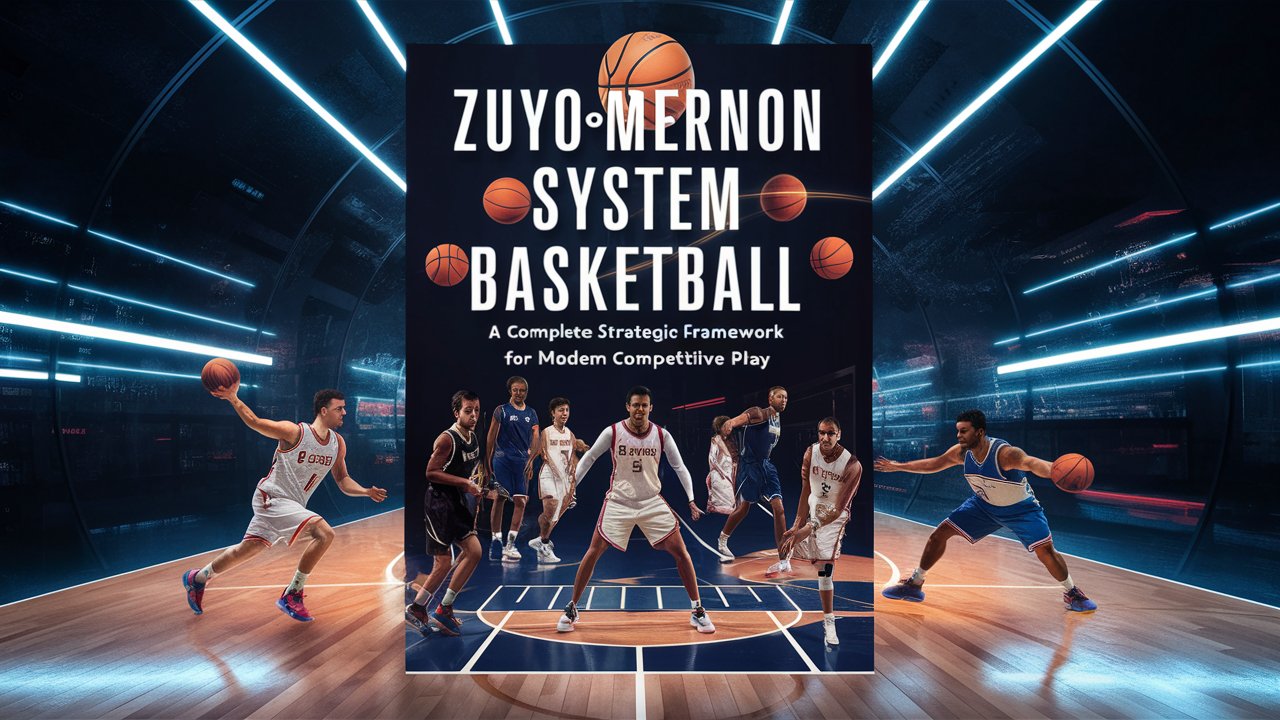
The Zuyomernon System Basketball represents a comprehensive, modern framework designed to maximize efficiency, adaptability, and tactical intelligence on the basketball court. We present this system as a fully integrated methodology that combines positional fluidity, data-informed decision-making, tempo control, and mentally disciplined execution. Built for coaches, players, and analysts seeking structural dominance, the Zuyomernon System Basketball is not a playbook—it is a philosophy translated into repeatable, high-performance actions.
In this article, we define, structure, and explain the Zuyomernon System Basketball in full detail. We break down its strategic pillars, player roles, offensive and defensive architectures, training integration, and competitive advantages. This resource is designed to be definitive, authoritative, and practical.
Core Titles and Keyword Structures Within the Zuyomernon System Basketball
1. Zuyomernon Positional Intelligence Model
The Zuyomernon Positional Intelligence Model prioritizes spatial awareness over fixed positions. Players operate within zones of responsibility rather than static roles, enabling seamless transitions between offense and defense while preserving floor balance.
2. Zuyomernon Tempo Regulation Framework
The Tempo Regulation Framework governs game rhythm through calculated pace shifts. The system enforces controlled acceleration and deceleration to destabilize opponents and preserve energy efficiency.
3. Zuyomernon Adaptive Spacing Architecture
The Adaptive Spacing Architecture dynamically reshapes offensive spacing based on defensive pressure, shot quality metrics, and player momentum. This structure sustains optimal passing lanes and high-percentage scoring opportunities.
4. Zuyomernon Defensive Synchronization Protocol
This protocol aligns individual defensive actions into a synchronized unit response. The system emphasizes anticipation, angle denial, and recovery timing rather than reactive containment.
Foundational Principles of the Zuyomernon System Basketball
The Zuyomernon System Basketball is constructed on five non-negotiable principles that govern all in-game decisions:
-
Cognitive Speed Over Physical Speed
-
Spacing Supremacy
-
Predictive Defense
-
Role Elasticity
-
Execution Consistency
These principles are embedded into every drill, set, and rotation decision. We design the system to function under pressure, fatigue, and score variance without tactical collapse.
Offensive Structure in the Zuyomernon System Basketball
Dynamic Ball Progression and Decision Trees
Offense within the Zuyomernon System Basketball operates on decision trees, not memorized plays. Ball handlers read defender positioning, help angles, and weak-side commitments to determine the next action within 0.7 seconds. This minimizes stagnation and maximizes flow continuity.
Five-Point Spacing with Rotational Anchors
The system employs five-point spacing supported by two rotational anchors. These anchors stabilize the offense during cuts, dribble penetrations, and kick-outs, ensuring the floor never collapses inward.
Shot Hierarchy Optimization
Every possession follows a shot hierarchy:
-
Rim attempts from advantage angles
-
Paint touches leading to interior collapse
-
Open corner threes
-
Above-the-break rhythm threes
This hierarchy is enforced structurally, not verbally, through spacing and movement patterns.
Defensive Architecture of the Zuyomernon System Basketball
Predictive Containment Defense
Defensive actions anticipate offensive intent. Defenders position themselves to remove primary options before the ball arrives, forcing second and third reads under time pressure.
Layered Help and Recovery
The Zuyomernon System Basketball uses layered help defense, where primary help is supported by secondary and tertiary rotations. Recovery paths are pre-defined, eliminating confusion during scrambles.
Turnover Creation Through Angle Control
Rather than gambling, the system generates turnovers by controlling dribble angles, compressing space, and forcing predictable passes into interception zones.
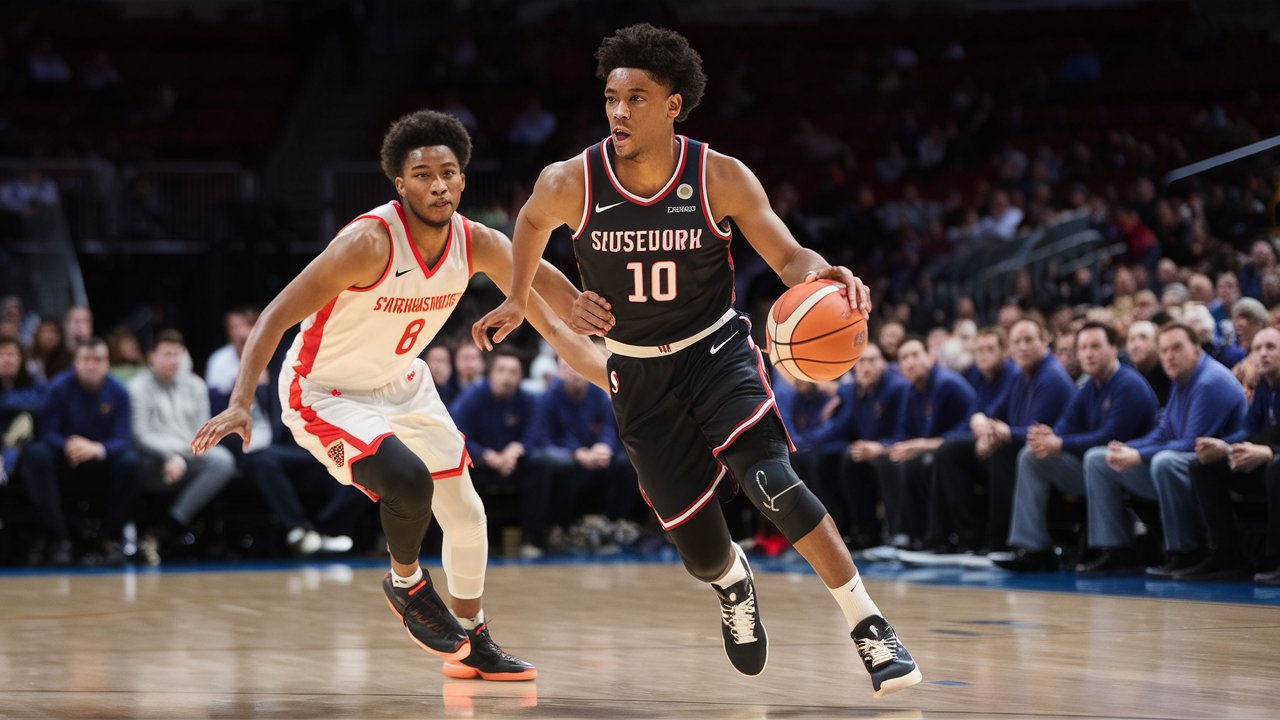
Player Role Definitions Within the Zuyomernon System Basketball
Primary Orchestrator
The Primary Orchestrator manages tempo, spacing triggers, and transition flow. This role requires elite vision and decision accuracy.
Continuity Wing
Continuity Wings maintain movement chains, initiate secondary actions, and provide defensive versatility across multiple matchups.
Interior Conductor
The Interior Conductor anchors both ends, facilitating high-post actions, rim protection, and defensive communication.
Adaptive Specialist
This role adjusts to matchup-specific demands, providing shooting gravity, defensive pressure, or energy infusion as required.
Training Integration and Skill Development
Training within the Zuyomernon System Basketball focuses on decision repetition rather than isolated skill drills. Sessions emphasize:
-
Constraint-based scrimmages
-
Time-restricted decision drills
-
Spatial awareness conditioning
-
Cognitive load simulations
This approach ensures skill transfer from practice to competition without performance degradation.
Psychological and Cultural Components
The system embeds mental resilience, collective accountability, and situational composure into team culture. Players are trained to execute with identical precision regardless of scoreline, venue, or opponent quality.
Competitive Advantages of the Zuyomernon System Basketball
The Zuyomernon System Basketball delivers measurable advantages:
-
Reduced turnover rates
-
Higher shot quality consistency
-
Defensive efficiency stability
-
Scalable implementation across levels
-
Rapid in-game adaptability
These advantages compound over a season, producing sustainable competitive superiority.
Implementation Pathway for Teams and Coaches
We recommend phased implementation:
-
Conceptual education and film analysis
-
Spacing and movement foundations
-
Decision-tree integration
-
Defensive synchronization
-
Live-game refinement
This pathway ensures structural integrity without overwhelming players.
Conclusion: Why the Zuyomernon System Basketball Defines Modern Play
The Zuyomernon System Basketball stands as a complete strategic ecosystem for modern basketball. It aligns intelligence, discipline, and adaptability into a single operational framework. By prioritizing decision quality, spatial control, and synchronized execution, the system delivers consistent performance advantages across all competitive contexts. Teams adopting this methodology gain not only tactical clarity but long-term structural dominance.
Frequently Asked Questions (FAQ)
What makes the Zuyomernon System Basketball unique?
Its integration of cognitive speed, adaptive spacing, and predictive defense creates a self-correcting system that thrives under pressure.
Can the Zuyomernon System Basketball be used at youth or amateur levels?
Yes. The system scales effectively by simplifying decision trees while preserving core principles.
Does the system rely on specific player archetypes?
No. Role elasticity allows diverse player profiles to succeed within the framework.
How long does full implementation take?
Most teams achieve functional proficiency within one competitive cycle when following the phased pathway.
Is the Zuyomernon System Basketball suitable for high-tempo leagues?
Yes. Tempo regulation is a foundational component, enabling controlled acceleration without loss of structure.