
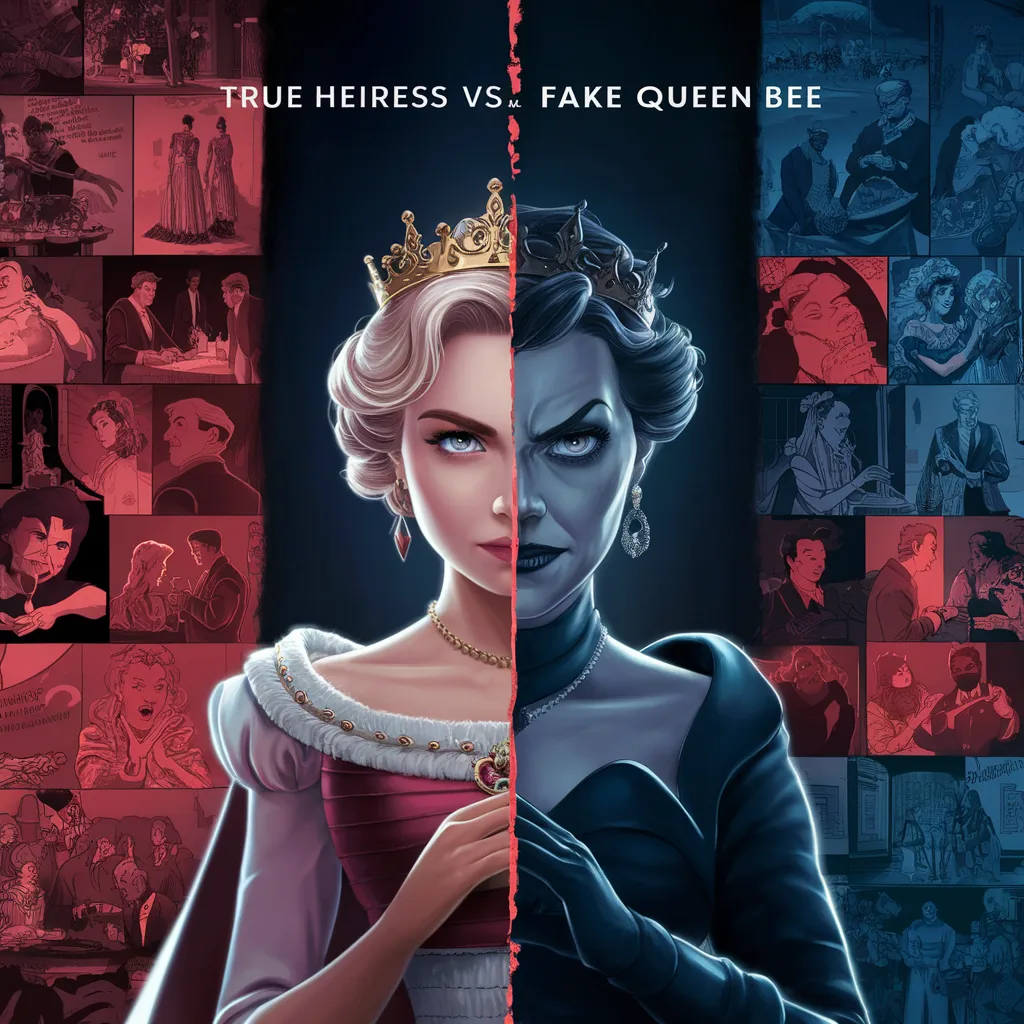
The phrase “true heiress fake queen bee” captures a compelling dynamic found in many stories across film, television, and books: a character who by birthright should hold power, wealth, or social status (the “true heiress”), yet is overshadowed by another character who pretends to be superior or dominates socially (the “fake queen bee”). This narrative trope resonates with audiences because it explores themes of identity, legitimacy, class conflict, personal growth, and the difference between who someone truly is versus who they appear to be.
The trope of the underestimated heir versus the superficially confident social leader appears in everything from teen dramas to classic literature, and it’s a lens through which audiences reflect on authenticity, manipulation, and the meaning of true leadership. In exploring this trope what it is, why creators use it, and where it appears this article helps answer why “true heiress fake queen bee” continues to attract interest and search volume on Google.
The Trope of the True Heiress and the Fake Queen Bee
At its heart, the true heiress vs. fake queen bee narrative explores the tension between authentic identity and social dominance based on performance rather than substance. A true heiress may possess legitimate status — whether through birth, talent, or destiny — but lacks the outward confidence, visibility, or cunning to thrive socially. The “fake queen bee,” by contrast, gains popularity or control through charisma, manipulation, or sheer force of personality without necessarily having any legitimate claim to leadership.
This contrast taps into universal human experiences: the feeling of not being recognized for true worth, the frustration of seeing superficial traits rewarded, and the eventual hope that authenticity triumphs over façade. Whether in a medieval court, an elite boarding school, or a royal palace, the narrative plays on similar themes of identity, legitimacy, jealousy, and transformation.
Why This Trope Is So Popular
Part of what keeps the true heiress fake queen bee trope alive is its emotional relatability and narrative tension. It’s a built‑in conflict that:
-
creates drama (the fake queen bee vs. the rightful heir),
-
allows for character growth (the true heiress discovering her own voice),
-
highlights social hierarchies (popularity vs. authenticity),
-
and often delivers satisfying payoffs (the rise of the authentic protagonist).
Audiences often root for the true heiress because she represents underdog resilience, while the fake queen bee embodies illusionary power. The tension between these two drives plot momentum and provides emotional engagement.
Classic and Modern Examples in Film and TV
This narrative appears in many different genres:
In fairy tales and fantasy, protagonists like Cinderella or hidden heirs (e.g., in stories where royal identity is lost and later discovered) fit the “true heiress” mold, while antagonists or social queens embody the “fake queen bee” energy.
In teen dramas and school stories, popular characters often dominate social circles without depth, while quieter, genuinely capable characters may rise to prominence as the storyline progresses. Films such as Mean Girls or She’s All That illustrate social hierarchies in teen environments, highlighting the clash between superficial popularity and authentic self‑confidence.
In period dramas and royal narratives, the contrast can be literal as well as metaphorical. Characters born into power may struggle with confidence or recognition while court favorites or social climbers exert influence based on charm rather than legitimate authority.
Across these examples, the trope reflects the broader human experience of comparing surface appeal with true worth.
Literary Roots and Archetypes
Though the phrase “true heiress fake queen bee” is modern and colloquial, the underlying theme traces back to classic literature and folklore. Many fairy tales and older stories hinge on rightful heirs returning or rising to power while impostors, pretenders, or socially dominant figures must confront their own fragility.
Writers have long used this dynamic as a narrative catalyst: the rightful heir’s journey is often one of self‑discovery, moral choice, and resilience, whereas the “fake queen bee” represents temptation, manipulation, or societal pressure. These archetypes help storytellers explore ethical questions about authority, morality, and belonging.
Narrative Impact and Viewer Engagement
For storytellers, the true heiress fake queen bee archetype offers a rich emotional palette. It allows for:
-
compelling antagonists without pure evil motives,
-
nuanced protagonists who grow through challenge,
-
social commentary on how power is perceived vs. how it is earned.
Audiences respond to these stories because they mirror real life: in workplaces, social groups, or families, individuals often compete not just for status, but for recognition of true ability rather than appearance of superiority. When narratives resolve in favor of authenticity, audiences feel catharsis and validation.
Conclusion
The true heiress fake queen bee trope continues to resonate across cultures, mediums, and generations because it captures a fundamental human drama: the struggle between appearance and reality, status and substance, outsider and insider. Whether in fairy tales, teen dramas, royal narratives, or modern storytelling, these character dynamics provide rich emotional conflict and satisfying arcs of transformation. By examining how creators deploy this trope — and why audiences love it — we gain insight into both narrative craft and the values that shape our collective imagination. Stories built on contrasts between authenticity and artifice remind us that true worth often emerges through resilience, self‑discovery, and the courage to defy superficial hierarchies.
Frequently Asked Questions (FAQ)
What does “true heiress fake queen bee” mean?
The phrase combines two character archetypes: a genuine heir with rightful status and a socially dominant figure who rules by perception rather than authenticity. In storytelling, it highlights conflicts between legitimate worth and surface appeal.
Where does this trope appear?
This dynamic is common in films, television shows, books, and fairy tales especially in teen dramas, courtly narratives, and coming‑of‑age stories that explore identity and social power.
Why do audiences find this trope appealing?
Audiences are drawn to its emotional tension and the satisfying resolution when authenticity and true worth are recognized over superficial authority.
Is this a real social term?
No “true heiress fake queen bee” is not a formally defined social category. It’s a narrative trope used by creators to explore identity, belonging, and social dynamics.
Can this trope appear outside fiction?
While rooted in storytelling, people can use the concept metaphorically to describe real‑world situations where individuals with legitimate ability or authority are overshadowed by outwardly confident but less authentic figures.