
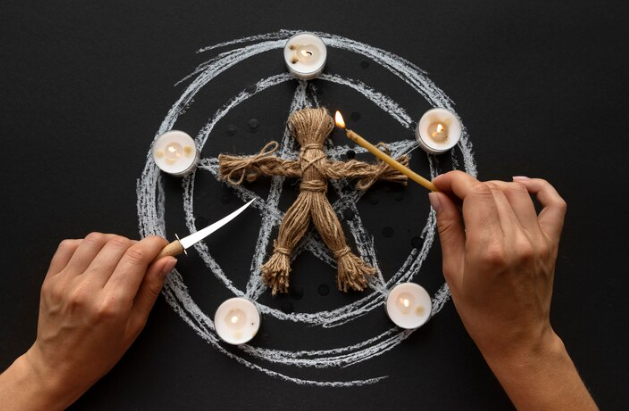
The phrase Sinister Mark carries an aura of mystery, darkness, and intrigue that has fascinated people across generations. It evokes images of cursed symbols, forbidden power, and the eternal struggle between light and shadow. Whether found in mythology, literature, religion, or modern entertainment, the Sinister Mark often represents a sign of destiny, corruption, or divine punishment. It is a mark that can bless or curse, empower or destroy, depending on the story in which it appears. This article explores the meaning, origin, and symbolism of the Sinister Mark, tracing its evolution from ancient myths to modern fiction and explaining why it continues to captivate audiences around the world.
The Origin of the Sinister Mark
The term Sinister Mark finds its roots in the Latin word sinister, which originally meant “left” or “on the left side.” In ancient times, the left side was often associated with misfortune, darkness, and the supernatural. Over centuries, this association evolved into the idea of something “sinister” being evil or cursed. The concept of a mark a visible sign or symbol was often used in mythology and religion to represent divine judgment, destiny, or a supernatural bond. When combined, the phrase Sinister Mark came to symbolize a dark sign or curse that connects its bearer to forces beyond human understanding.
In folklore, such marks were believed to appear on individuals chosen by fate or cursed by higher powers. They could manifest as scars, tattoos, or glowing symbols, each carrying a unique meaning. Some were seen as punishments for sin, while others were marks of power or prophecy. The ambiguity of the Sinister Mark whether it is a blessing or a curse has made it a recurring motif in storytelling across cultures.
The Sinister Mark in Mythology and Religion
Throughout history, the idea of a cursed or divine mark has appeared in countless myths and religious texts. In the Bible, the “Mark of Cain” is one of the earliest examples a symbol placed upon Cain after he killed his brother Abel, marking him as both cursed and protected. This duality punishment and protection captures the essence of the Sinister Mark. It is not purely evil but a complex symbol of consequence and destiny.
In Norse mythology, runes and sigils were believed to hold immense power, capable of blessing or cursing those who bore them. Similarly, in Hindu and Buddhist traditions, marks or seals often represented karmic debts or divine contracts, binding individuals to their spiritual fates. In medieval Europe, people believed that witches bore “witch marks,” physical signs of their pact with dark forces. These marks were feared as proof of corruption and heresy, reinforcing the association between physical markings and moral judgment.
Across all these traditions, the Sinister Mark serves as a reminder of humanity’s fascination with the unseen forces that shape destiny. It represents the eternal tension between free will and fate, light and darkness, purity and corruption.
The Sinister Mark in Literature and Modern Fiction
In modern storytelling, the Sinister Mark has evolved into a powerful narrative device used to explore themes of identity, morality, and destiny. It often appears as a physical mark or curse that grants the bearer supernatural abilities while also burdening them with great responsibility or suffering. This dual nature makes it a compelling symbol of both empowerment and tragedy.
In fantasy literature, characters marked by dark symbols often struggle with their inner demons. The mark becomes a metaphor for the human condition the coexistence of good and evil within every soul. In horror fiction, the Sinister Mark is frequently used to signify possession, corruption, or a connection to malevolent forces. In science fiction, it can represent genetic modification, alien influence, or technological control, reflecting modern anxieties about power and identity.
Popular culture has embraced this motif in countless forms. From cursed tattoos in horror films to magical seals in anime and video games, the Sinister Mark continues to evolve with each new generation of storytellers. Its adaptability ensures that it remains relevant, resonating with audiences who see in it a reflection of their own struggles with destiny and self-discovery.
Symbolism and Psychological Interpretation
Beyond its narrative use, the Sinister Mark carries deep psychological meaning. It represents the “shadow self,” a concept introduced by psychologist Carl Jung to describe the hidden, repressed aspects of the human psyche. The mark symbolizes the parts of ourselves that we fear or deny anger, desire, guilt, or ambition. When a character bears such a mark, it often signifies their journey toward self-acceptance and transformation.
The Sinister Mark can also be interpreted as a symbol of trauma or inherited guilt. It reflects the idea that the past leaves visible and invisible scars that shape who we become. In this sense, the mark is not just a curse but a reminder of resilience and survival. It challenges the notion of purity by suggesting that darkness is an integral part of human nature. By confronting and embracing the mark, one can achieve true understanding and balance.
The Dual Nature of the Sinister Mark: Curse and Gift
One of the most fascinating aspects of the Sinister Mark is its duality. It is rarely portrayed as purely evil or purely good. Instead, it exists in a moral gray area, embodying both power and peril. In some stories, the mark grants extraordinary abilities strength, knowledge, or immortality but at the cost of the bearer’s humanity or freedom. In others, it serves as a burden that ultimately leads to redemption or enlightenment.
This duality mirrors the human experience itself. Every gift carries a price, and every curse holds the potential for growth. The Sinister Mark reminds us that power is never without consequence and that true strength lies in understanding and mastering one’s inner darkness. It is a symbol of transformation, showing that even the most ominous signs can lead to wisdom and self-realization.
Cultural Impact and Modern Relevance
The enduring appeal of the Sinister Mark lies in its universality. It transcends time, culture, and genre, adapting to new contexts while retaining its core meaning. In contemporary art, literature, and media, it continues to symbolize the tension between control and chaos, destiny and choice. Artists and writers use it to explore questions of identity, morality, and the human condition.
In a world increasingly defined by technology and social change, the Sinister Mark also takes on new meanings. It can represent the digital footprints we leave behind, the invisible marks of our actions in the virtual world. It can symbolize the moral compromises of modern life or the psychological scars left by trauma and conflict. In every interpretation, it remains a powerful reminder of the complexity of existence and the interconnectedness of light and shadow.
Conclusion
The Sinister Mark is more than just a symbol it is a timeless reflection of humanity’s fascination with power, destiny, and the unknown. From ancient myths to modern fiction, it has served as a metaphor for the duality of existence, reminding us that every strength carries a weakness and every curse hides a lesson. Its enduring presence in culture speaks to our collective desire to understand the forces that shape our lives, both external and internal. Whether seen as a mark of doom or a sign of transformation, the Sinister Mark continues to captivate the imagination, urging us to confront our shadows and find meaning in the darkness.
FAQs
1. What is the Sinister Mark?
The Sinister Mark is a symbolic or fictional concept representing a curse, destiny, or hidden power. It often appears in mythology, literature, and modern media as a mark that signifies both strength and burden.
2. Where does the term “Sinister Mark” come from?
The word “sinister” originates from Latin, meaning “left” or “unlucky.” Over time, it became associated with darkness, misfortune, and the supernatural, giving rise to the idea of a “sinister mark.”
3. What does the Sinister Mark symbolize?
It symbolizes duality the coexistence of power and consequence, light and darkness. It often represents inner conflict, destiny, or the price of forbidden knowledge.
4. How is the Sinister Mark used in fiction?
In fiction, it often appears as a physical mark or curse that grants the bearer supernatural abilities while also imposing a heavy cost. It serves as a metaphor for moral struggle and personal transformation.
5. Why is the Sinister Mark popular in modern culture?
Its popularity stems from its versatility and psychological depth. The Sinister Mark resonates with audiences because it reflects universal themes of identity, power, and the human condition.