
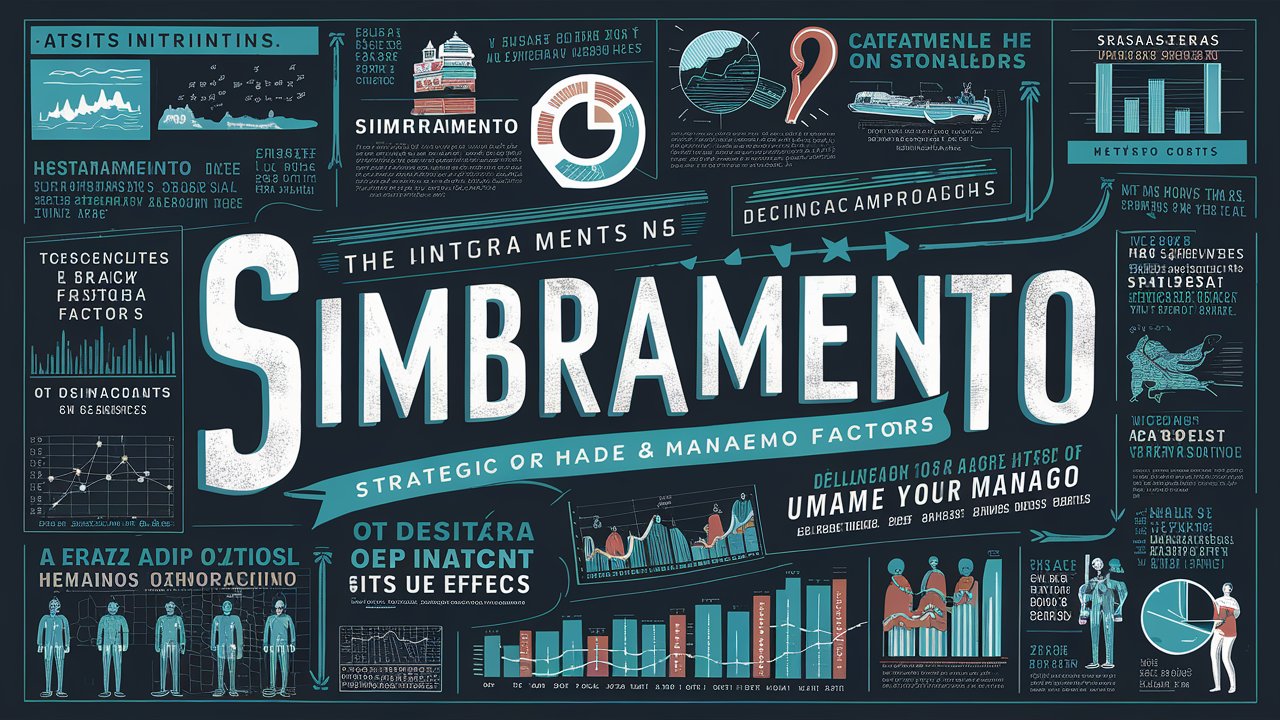
Simbramento is a term of growing relevance across legal, social, urban, and organizational contexts. We address simbramento as the phenomenon of crowding, gathering, or assembly of individuals in a confined or shared space, whether spontaneous or planned. Its implications extend from public safety and legal compliance to urban planning, event management, sociology, and public health. We present a comprehensive, authoritative exploration designed to clarify meaning, analyze contexts, and outline structured approaches for prevention, control, and optimization.
Our analysis is grounded in precision, offering actionable insights and a formal, cohesive narrative that supports informed decision-making across sectors.
Keyword-Rich Titles and Their Strategic Explanations
1. Simbramento Meaning and Definition
We define simbramento with clarity, ensuring semantic accuracy and contextual breadth. This title targets users seeking authoritative definitions and foundational understanding.
2. Legal Implications of Simbramento
We examine regulatory frameworks, compliance obligations, and enforcement mechanisms associated with simbramento, addressing public order and safety requirements.
3. Simbramento in Public Spaces
We analyze how urban density, infrastructure design, and behavioral dynamics contribute to simbramento in streets, squares, and transport hubs.
4. Simbramento and Public Health
We address health risk amplification, prevention strategies, and risk mitigation where simbramento intersects with epidemiological concerns.
5. Simbramento Management and Prevention Strategies
We present structured methodologies to anticipate, manage, and reduce simbramento, focusing on operational excellence.
6. Social and Psychological Dimensions of Simbramento
We explain collective behavior, motivation, and crowd psychology, emphasizing predictive indicators and response planning.
Simbramento Meaning and Definition
Simbramento refers to the concentration of individuals in a limited area, often exceeding the space’s capacity for safe and orderly use. We recognize simbramento as both a descriptive and regulatory term, frequently used to indicate conditions that may compromise safety, accessibility, and compliance. It applies across scenarios such as public demonstrations, events, transportation nodes, commercial venues, and spontaneous gatherings.
The defining characteristics of simbramento include density thresholds, movement restriction, and interaction intensity, which collectively influence risk levels. Understanding these elements enables accurate assessment and effective control.
Legal Implications of Simbramento
Simbramento carries significant legal implications, particularly in jurisdictions where public order laws regulate crowd density and assembly. Authorities may impose restrictions, permits, or dispersal orders to prevent hazards associated with overcrowding. We emphasize the importance of compliance planning, including capacity limits, signage, and stewarding.
Legal accountability often extends to organizers, property managers, and local authorities, who must demonstrate due diligence. Failure to manage simbramento may result in penalties, closures, or civil liability. Clear protocols and documented risk assessments form the backbone of legal defensibility.
Simbramento in Public Spaces
Public spaces are inherently vulnerable to simbramento due to accessibility and convergence patterns. Transport hubs, plazas, and commercial districts experience peaks driven by time-based demand, events, or disruptions. We analyze flow dynamics, emphasizing entry and exit management, bottleneck identification, and spatial optimization.
Urban design plays a decisive role. Wide corridors, multiple access points, and adaptive signage reduce crowd accumulation. Data-driven monitoring, including real-time occupancy tracking, enhances responsiveness and supports proactive dispersion strategies.
Simbramento and Public Health
From a public health perspective, simbramento increases exposure risk, stress levels, and emergency response complexity. Dense gatherings amplify transmission pathways and strain resources. We advocate for preventive controls, including capacity governance, ventilation optimization, and hygiene infrastructure.
Health-informed policies integrate risk communication, behavioral cues, and environmental adjustments. Effective public health alignment ensures that simbramento is addressed without disrupting essential social and economic activities.
Simbramento Management and Prevention Strategies
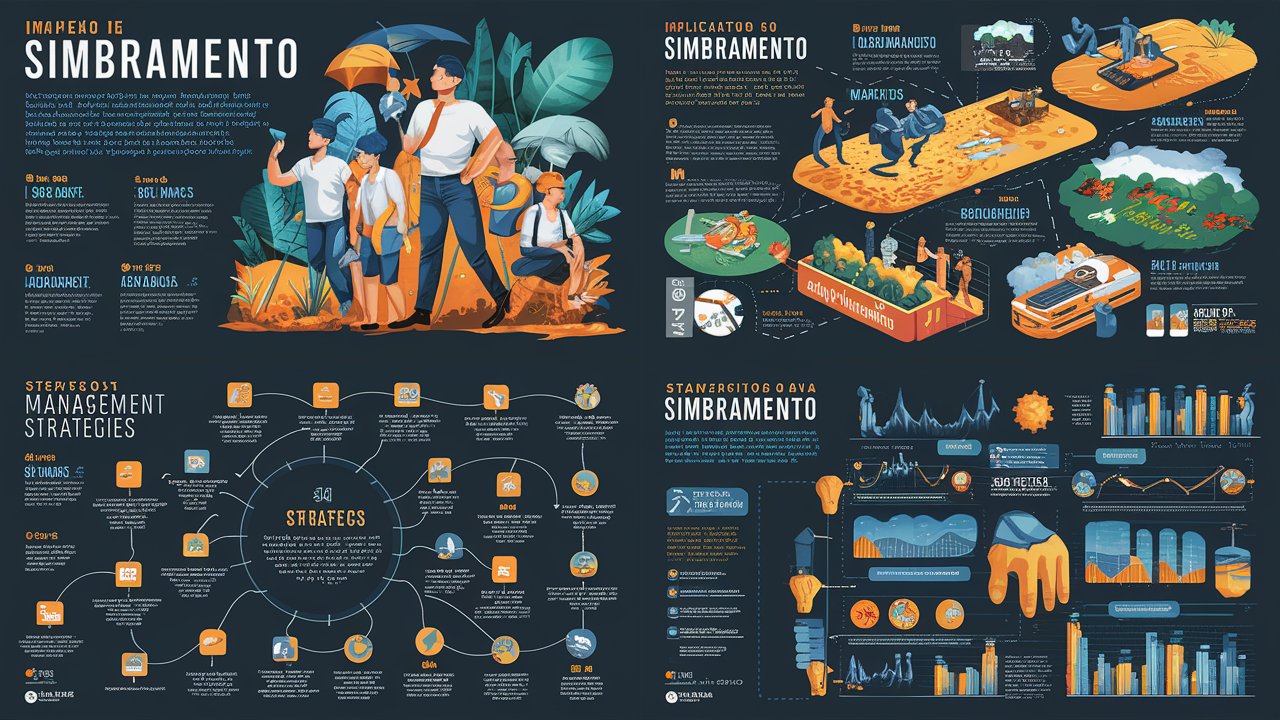
Effective simbramento management requires a multilayered approach. We outline a strategic framework:
-
Assessment and Forecasting: Anticipate demand using historical data and predictive analytics.
-
Capacity Planning: Define safe occupancy limits and enforce them consistently.
-
Operational Controls: Deploy trained personnel, directional flows, and time-based access.
-
Communication Systems: Provide clear guidance through signage, announcements, and digital channels.
-
Monitoring and Response: Utilize sensors, cameras, and on-ground observation to adapt in real time.
These strategies collectively reduce risk while maintaining operational continuity.
Social and Psychological Dimensions of Simbramento
Simbramento is influenced by collective behavior and social cues. Individuals often follow perceived norms, leading to rapid density increases. We emphasize behavioral design, using visual cues and environmental nudges to distribute movement.
Understanding motivation—such as urgency, attraction points, or perceived scarcity—enables targeted interventions. Trained staff and empathetic communication further support voluntary compliance and orderly dispersal.
Simbramento in Events and Commercial Environments
Events and commercial venues face heightened simbramento risks due to synchronized arrival patterns. We recommend staggered scheduling, pre-booking systems, and zoned access. Retail and entertainment spaces benefit from queue management, appointment models, and dynamic capacity adjustments.
Operational excellence in these environments protects brand reputation, enhances customer experience, and ensures regulatory alignment.
Conclusion
Simbramento is a multifaceted phenomenon requiring precision, foresight, and coordinated action. By integrating legal awareness, urban design, public health principles, and behavioral insights, we establish a robust foundation for effective management. Structured strategies transform simbramento from a risk factor into a controllable variable, supporting safety, compliance, and sustainable operations.
Our comprehensive approach equips stakeholders with the clarity and tools necessary to address simbramento decisively and responsibly.
Frequently Asked Questions (FAQ)
What is simbramento in simple terms?
Simbramento is the gathering or crowding of people in a limited space beyond safe or regulated capacity.
Why is simbramento regulated?
Regulation ensures public safety, prevents accidents, and maintains order in shared environments.
Where does simbramento most commonly occur?
It commonly occurs in public spaces, events, transport hubs, and commercial venues during peak demand.
How can simbramento be prevented effectively?
Prevention relies on capacity planning, monitoring, communication, and adaptive operational controls.
Who is responsible for managing simbramento?
Responsibility typically lies with organizers, venue operators, and authorities, depending on context.