
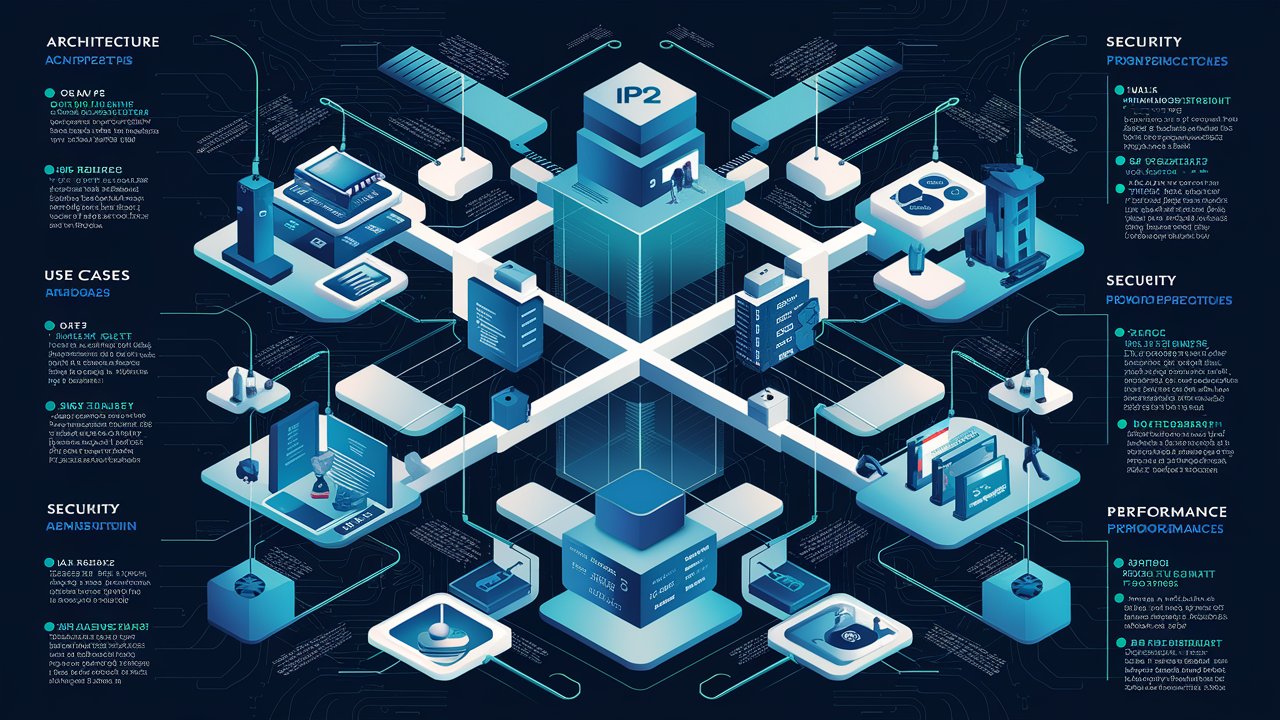
We present a complete and authoritative explanation of the IP2 Network, focusing on its structure, functionality, and real-world value across modern digital infrastructures. The IP2 Network represents a next-generation approach to IP-based networking, emphasizing scalability, intelligent routing, enhanced security, and optimized data transmission. As organizations increasingly rely on distributed systems, cloud platforms, and data-driven services, the relevance of the IP2 Network continues to expand across industries.
This guide is designed to provide a deep and practical understanding of the IP2 Network, including its core components, deployment models, security advantages, performance optimization strategies, and enterprise-grade applications. Every section is structured to deliver clarity, depth, and precision without unnecessary distractions.
What Is an IP2 Network and How It Works
The IP2 Network is an advanced IP networking framework that builds upon traditional Internet Protocol infrastructures by introducing enhanced routing intelligence, improved address utilization, and adaptive traffic management. Unlike legacy IP networks that rely heavily on static routing and rigid allocation methods, the IP2 Network dynamically responds to traffic conditions, endpoint behavior, and security signals.
At its core, the IP2 Network operates through:
-
Intelligent packet routing mechanisms
-
Enhanced IP address classification
-
Real-time traffic analysis
-
Policy-based network orchestration
This architecture enables faster data delivery, reduced latency, and improved resilience under high-load conditions, making the IP2 Network suitable for modern applications such as cloud computing, content delivery, and enterprise-scale communications.
Key Components of the IP2 Network Architecture
IP Address Intelligence Layer
The IP2 Network integrates an IP intelligence layer that enriches each IP address with contextual metadata such as geolocation, network ownership, usage type, and trust level. This intelligence allows networks to make informed decisions about routing, access control, and performance optimization.
Dynamic Routing Engine
The routing engine within the IP2 Network continuously evaluates network paths to determine the most efficient routes. By leveraging real-time telemetry and predictive algorithms, the network minimizes congestion while maintaining high availability.
Policy and Control Framework
A centralized policy framework governs how traffic flows through the IP2 Network. Administrators can define granular rules based on application type, user role, geographic region, or security posture, ensuring consistent enforcement across all nodes.
Distributed Network Nodes
The IP2 Network is inherently distributed. Nodes operate collaboratively, allowing traffic to be processed closer to its source or destination. This reduces latency and enhances fault tolerance across the entire infrastructure.
IP2 Network vs Traditional IP Networks
The IP2 Network offers significant advantages over conventional IP networking models. Traditional networks often struggle with scalability, limited visibility, and static configurations. In contrast, the IP2 Network delivers:
-
Adaptive traffic routing
-
Higher address utilization efficiency
-
Integrated security intelligence
-
Improved performance under variable load
These enhancements make the IP2 Network particularly effective for environments where speed, reliability, and security are critical business requirements.
Security Advantages of the IP2 Network
Security is a foundational pillar of the IP2 Network. By embedding intelligence directly into the network layer, threats can be detected and mitigated before they impact applications or users.
IP Reputation and Trust Scoring
The IP2 Network assigns reputation scores to IP addresses based on historical behavior, known threat patterns, and real-time analysis. Suspicious traffic can be throttled, redirected, or blocked automatically.
DDoS Mitigation and Traffic Filtering
With distributed nodes and intelligent routing, the IP2 Network absorbs and disperses volumetric attacks efficiently. Malicious traffic is identified early and isolated without disrupting legitimate data flows.
Zero-Trust Network Integration
The IP2 Network aligns seamlessly with zero-trust security models. Every connection request is verified, authenticated, and authorized, regardless of its origin within or outside the network.
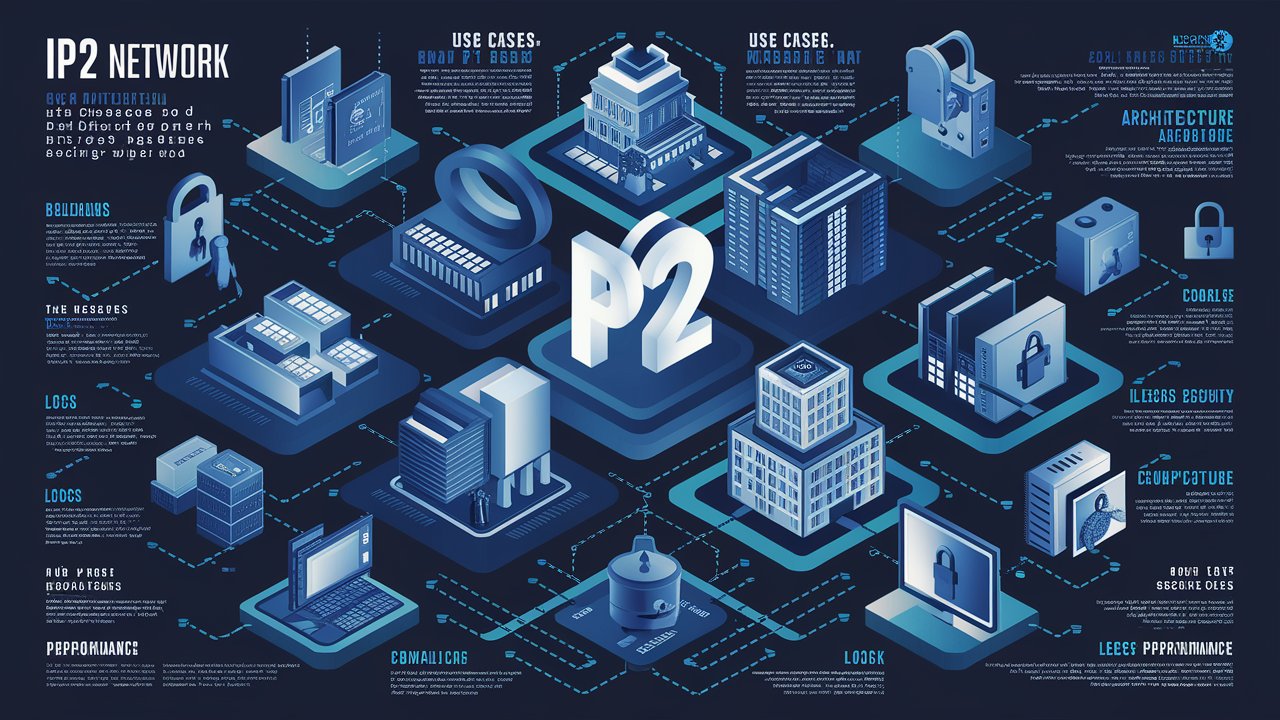
Performance Optimization in IP2 Networks
Performance optimization is a defining characteristic of the IP2 Network. By combining analytics, automation, and distributed processing, the network consistently delivers superior results.
Low-Latency Data Transmission
Traffic is routed through optimal paths based on real-time conditions, reducing round-trip times and improving user experience for latency-sensitive applications.
Bandwidth Efficiency
The IP2 Network prioritizes traffic intelligently, ensuring critical workloads receive guaranteed performance while non-essential traffic is handled efficiently.
Scalable Throughput
As demand grows, the IP2 Network scales horizontally by adding nodes without compromising stability or performance. This elasticity supports rapid business growth and seasonal traffic spikes.
Enterprise and Commercial Use Cases of IP2 Network
Cloud and Multi-Cloud Environments
Enterprises leverage the IP2 Network to interconnect cloud platforms securely and efficiently. Dynamic routing and policy enforcement simplify multi-cloud management while maintaining performance consistency.
Content Delivery and Media Streaming
Media platforms rely on the IP2 Network to deliver high-quality content globally. Intelligent routing ensures smooth streaming, minimal buffering, and optimized bandwidth utilization.
E-Commerce and Financial Services
For transaction-heavy environments, the IP2 Network provides secure, low-latency connections essential for payment processing, fraud prevention, and real-time analytics.
IoT and Edge Computing
The IP2 Network supports massive device connectivity by processing data closer to the edge. This reduces backhaul traffic and enables faster decision-making for IoT applications.
Deployment Models for IP2 Network
Organizations can deploy the IP2 Network in multiple configurations depending on operational requirements:
-
On-premises IP2 Network for full control and compliance
-
Cloud-based IP2 Network for flexibility and rapid scaling
-
Hybrid IP2 Network combining local control with cloud agility
Each model maintains consistent performance and security standards while adapting to specific infrastructure needs.
Future Evolution of the IP2 Network
The IP2 Network continues to evolve alongside emerging technologies such as artificial intelligence, machine learning, and automated network orchestration. Future advancements focus on deeper traffic prediction, autonomous optimization, and tighter integration with application-layer intelligence.
As digital ecosystems become more complex, the IP2 Network is positioned as a foundational element for resilient, intelligent, and secure connectivity.
Conclusion
We establish the IP2 Network as a powerful and forward-looking networking framework designed for modern digital demands. Its combination of intelligent routing, embedded security, scalable architecture, and performance optimization makes it an essential solution for enterprises, service providers, and technology-driven organizations. By adopting the IP2 Network, organizations gain a robust infrastructure capable of supporting growth, innovation, and operational excellence.
Frequently Asked Questions About IP2 Network
What makes the IP2 Network different from standard IP networking?
The IP2 Network integrates intelligence, automation, and security directly into the network layer, enabling adaptive routing and real-time optimization.
Is the IP2 Network suitable for large enterprises?
Yes, the IP2 Network is designed to scale seamlessly and supports enterprise-grade security, performance, and policy management.
Can the IP2 Network improve application performance?
The IP2 Network reduces latency, optimizes bandwidth, and ensures consistent performance for critical applications.
Does the IP2 Network support cloud integration?
The IP2 Network integrates natively with cloud and hybrid environments, simplifying connectivity and traffic management.
Is the IP2 Network secure by design?
Security is embedded throughout the IP2 Network, including IP reputation analysis, DDoS mitigation, and zero-trust alignment.