
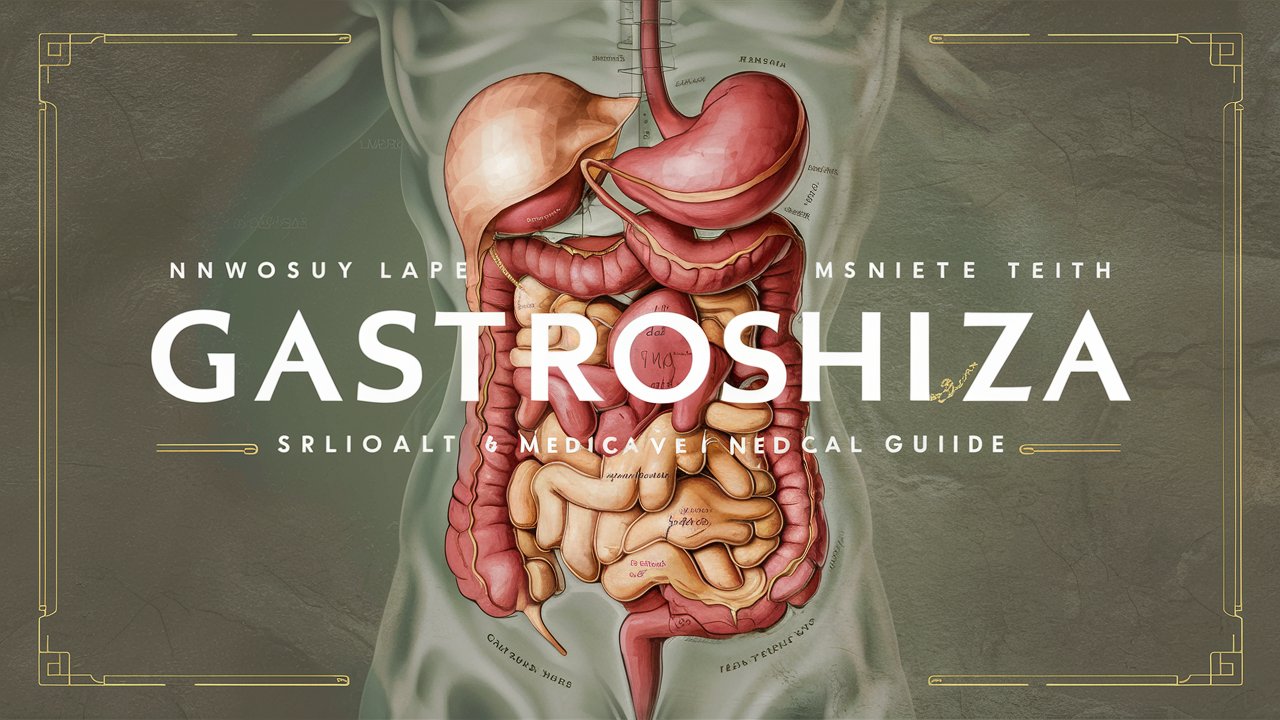
Gastroshiza is a congenital abdominal wall condition that affects newborns and requires immediate medical attention. In medical literature, the term is frequently associated with gastrochisis, a closely related and often interchangeable spelling used across different regions and publications. In this article, we present a complete, authoritative, and clinically accurate overview of gastroshiza, designed to serve as a trusted reference for families, healthcare professionals, and researchers seeking detailed and structured information.
We address the condition from diagnosis through long-term outcomes, presenting medically sound explanations in a formal we-based narrative. This guide is structured with keyword-rich headings, extensive explanations, and medically relevant depth to ensure clarity, accuracy, and completeness.
Understanding Gastroshiza and Its Medical Definition
Gastroshiza is defined as a full-thickness defect of the abdominal wall, typically located to the right of the umbilical cord, through which the infant’s intestines protrude outside the body without a protective membrane. This direct exposure to amniotic fluid leads to inflammation, thickening, and potential damage to the bowel before birth.
Unlike other abdominal wall defects, gastroshiza presents with uncovered intestines, making early surgical intervention essential. The condition is isolated in most cases, meaning it usually occurs without chromosomal abnormalities, which significantly influences prognosis and treatment planning.
Epidemiology and Incidence of Gastroshiza
The incidence of gastroshiza has increased globally over the past decades, particularly among younger mothers. Epidemiological data consistently demonstrate higher prevalence rates in mothers under the age of 25, though cases occur across all demographics.
We observe variation in incidence by geographic region, socioeconomic factors, and environmental exposure. Despite its rising frequency, advances in neonatal surgery and intensive care have resulted in excellent survival rates exceeding 90% in developed healthcare systems.
Causes and Risk Factors Associated with Gastroshiza
The precise cause of gastroshiza remains multifactorial, involving a complex interplay of vascular disruption during embryonic development. The prevailing hypothesis suggests interruption of blood flow to the developing abdominal wall, leading to tissue weakness and eventual rupture.
Identified risk factors include:
-
Maternal age under 25
-
Smoking during pregnancy
-
Certain vasoactive medications
-
Environmental toxin exposure
-
Poor maternal nutrition
Importantly, gastroshiza is not typically hereditary, and recurrence risk in subsequent pregnancies remains low.
Prenatal Diagnosis and Screening Methods
Prenatal diagnosis of gastroshiza is highly reliable, most commonly identified during routine second-trimester ultrasound examinations. Sonographic findings include free-floating bowel loops outside the fetal abdomen and a normally inserted umbilical cord.
Additional prenatal indicators include elevated maternal serum alpha-fetoprotein (AFP) levels. Once diagnosed, serial ultrasounds are essential to monitor bowel condition, fetal growth, and amniotic fluid volume. Multidisciplinary prenatal care planning significantly improves postnatal outcomes.
Delivery Planning and Perinatal Management
Delivery planning for gastroshiza requires coordination between obstetric, neonatal, and surgical teams. While vaginal delivery is often safe, delivery at a tertiary care center with neonatal surgical capabilities is strongly recommended.
Immediate postnatal priorities include maintaining bowel moisture, preventing heat loss, and initiating intravenous fluids. The exposed intestines are protected using sterile coverings until surgical repair can be performed.
Surgical Treatment Options for Gastroshiza
Surgical management of gastroshiza depends on the extent of bowel involvement and abdominal capacity. Two primary approaches are utilized:
Primary Closure Surgery
In cases where bowel swelling is minimal, surgeons may perform immediate primary closure, returning the intestines to the abdominal cavity and closing the defect in a single operation.
Staged Closure Using a Silo
When bowel edema prevents immediate closure, a silo technique is employed. The intestines are gradually reduced into the abdomen over several days before final closure. This method minimizes pressure on the lungs and cardiovascular system.
Both techniques demonstrate excellent outcomes when applied appropriately.
Postoperative Care and Neonatal Recovery
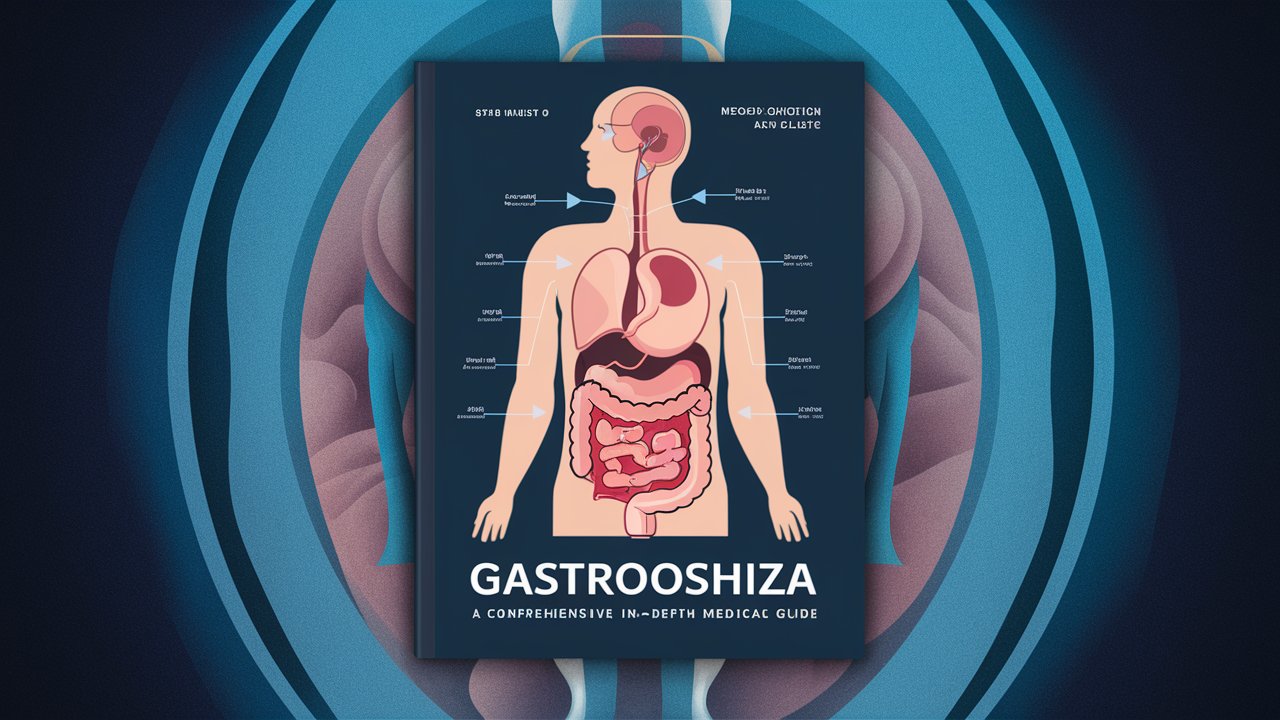
Postoperative care focuses on respiratory support, infection prevention, and nutritional management. Infants with gastroshiza often require total parenteral nutrition (TPN) until bowel function returns.
Gradual introduction of enteral feeding begins once intestinal motility improves. Hospital stays vary widely, ranging from several weeks to months depending on bowel recovery and associated complications.
Potential Complications of Gastroshiza
While prognosis is generally favorable, gastroshiza may be associated with complications, including:
-
Intestinal atresia
-
Short bowel syndrome
-
Feeding intolerance
-
Prolonged dependence on intravenous nutrition
-
Sepsis
Early detection and expert management significantly reduce long-term morbidity.
Long-Term Outcomes and Quality of Life
Long-term outcomes for children born with gastroshiza are predominantly positive. Most children achieve normal growth, cognitive development, and gastrointestinal function.
We observe that early nutritional support, vigilant follow-up, and parental education contribute substantially to favorable developmental trajectories. Chronic gastrointestinal issues may occur in a minority of cases but are typically manageable with specialized care.
Prevention Strategies and Maternal Health Considerations
Although gastroshiza cannot be fully prevented, optimizing maternal health remains critical. Smoking cessation, balanced nutrition, early prenatal care, and avoidance of harmful substances are strongly recommended.
Public health initiatives aimed at maternal education continue to play an essential role in reducing associated risks.
Conclusion
Gastroshiza represents a serious yet highly treatable congenital condition when managed with timely diagnosis, coordinated surgical care, and comprehensive neonatal support. Advances in prenatal imaging, surgical techniques, and neonatal intensive care have transformed outcomes, allowing the vast majority of affected infants to lead healthy and productive lives.
By understanding the condition in its entirety—from embryology to long-term follow-up—we empower families and healthcare providers with knowledge that supports informed decisions and optimal care pathways.
Frequently Asked Questions (FAQ)
Is gastroshiza life-threatening?
With modern medical care, survival rates exceed 90%, making outcomes highly favorable.
Can gastroshiza be detected before birth?
Yes, it is commonly diagnosed through routine prenatal ultrasound.
Is gastroshiza genetic?
No, it is not typically associated with inherited genetic abnormalities.
How long is hospitalization after surgery?
Hospital stays vary but often range from several weeks to a few months depending on bowel recovery.
Can children with gastroshiza live normal lives?
Yes, most children achieve normal growth and development with appropriate medical follow-up.