
Foenegriek, internationally known as fenugreek, is a time-honored herb that has been valued for centuries for its nutritional richness, medicinal properties, and culinary versatility. We recognize foenegriek as one of the most powerful natural ingredients used across traditional medicine systems, including Ayurveda, Unani, and ancient Mediterranean practices. Its seeds and leaves are packed with bioactive compounds that support overall wellness, making foenegriek a cornerstone ingredient in health-conscious lifestyles.
In modern times, foenegriek has gained renewed attention due to growing interest in natural remedies, plant-based nutrition, and functional foods. We explore foenegriek in depth to provide authoritative, accurate, and practical knowledge that supports informed decision-making and everyday use.
What Is Foenegriek?
Foenegriek (Trigonella foenum-graecum) is a leguminous plant belonging to the Fabaceae family. It is cultivated widely across South Asia, the Middle East, North Africa, and parts of Southern Europe. The plant produces aromatic seeds and nutrient-dense leaves, both of which are extensively used in food and wellness applications.
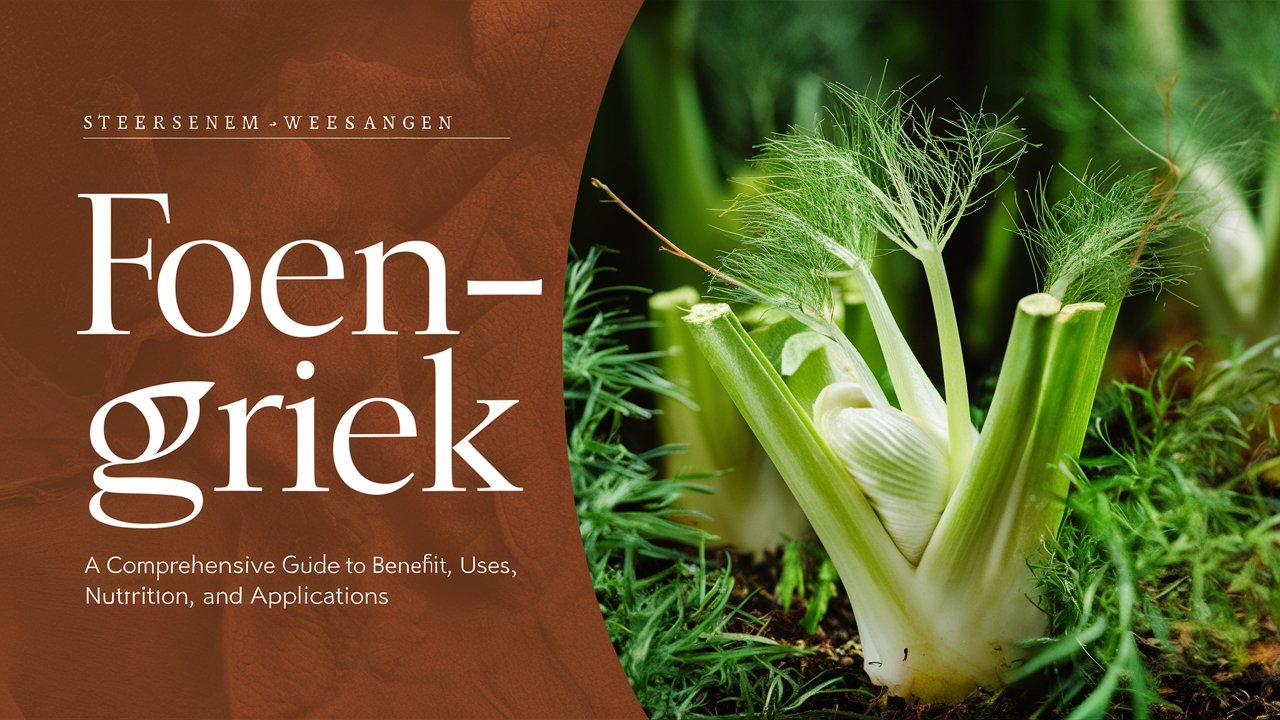
The seeds are small, angular, and golden-brown in color, carrying a slightly bitter, nutty flavor. The leaves, often referred to as fenugreek greens, are commonly used fresh or dried and contribute a distinctive aroma to various dishes.
Nutritional Profile of Foenegriek
We consider foenegriek a nutritional powerhouse due to its dense concentration of essential nutrients. Its composition supports metabolic health, digestive balance, and sustained energy levels.
Key nutritional components of foenegriek include:
-
Dietary fiber for digestive health and satiety
-
Plant-based protein for muscle support
-
Iron to support red blood cell production
-
Magnesium and potassium for cardiovascular balance
-
B vitamins for energy metabolism
-
Phytonutrients such as saponins, flavonoids, and alkaloids
This unique nutrient combination explains why foenegriek is frequently incorporated into wellness-focused diets.
Health Benefits of Foenegriek
Supports Digestive Health
Foenegriek is widely recognized for its role in promoting healthy digestion. The high soluble fiber content forms a soothing gel-like substance in the gut, supporting regular bowel movements and intestinal comfort. We observe that foenegriek is traditionally used to reduce digestive discomfort and promote overall gut balance.
Helps Maintain Balanced Blood Sugar Levels
One of the most researched benefits of foenegriek is its ability to support stable blood glucose levels. The soluble fiber and bioactive compounds slow carbohydrate absorption, contributing to more consistent energy release throughout the day.
Promotes Heart Health
Foenegriek contributes to cardiovascular wellness by supporting healthy cholesterol levels. The saponins present in the seeds assist in reducing lipid absorption, which aligns with long-term heart health strategies.
Supports Hormonal Balance
We highlight foenegriek’s traditional use in supporting hormonal wellness. It contains plant compounds that are often associated with maintaining natural hormonal equilibrium, making it relevant for both men and women at various life stages.
Enhances Metabolic Efficiency
The combination of fiber, protein, and micronutrients in foenegriek contributes to metabolic efficiency, helping the body utilize nutrients effectively while supporting sustained energy levels.
Culinary Uses of Foenegriek
Foenegriek plays an essential role in global cuisines due to its distinctive aroma and depth of flavor.
Foenegriek Seeds in Cooking
The seeds are commonly roasted, ground, or soaked before use. They are an integral component of spice blends, curries, and seasoning mixes. When cooked, foenegriek seeds release a warm, slightly sweet bitterness that enhances savory dishes.
Foenegriek Leaves as a Flavor Enhancer
Fresh and dried foenegriek leaves are widely used in vegetable dishes, flatbreads, soups, and stews. Their aroma intensifies during cooking, adding complexity and richness to recipes.
Traditional and Modern Uses of Foenegriek
Foenegriek in Traditional Wellness Practices
Historically, foenegriek has been used in herbal preparations, teas, and topical applications. We observe its consistent presence in traditional formulations aimed at restoring balance and vitality.
Foenegriek in Modern Nutrition
In contemporary nutrition, foenegriek is found in dietary supplements, functional beverages, and health-focused food products. Its versatility allows it to be integrated seamlessly into modern dietary routines.
How to Use Foenegriek Effectively
We recommend several practical methods for incorporating foenegriek into daily life:
-
Soaked seeds consumed with water
-
Powdered foenegriek added to meals
-
Foenegriek tea brewed from seeds or leaves
-
Fresh leaves used in cooking
Consistency and moderation are key to maximizing its benefits.
Potential Considerations When Using Foenegriek
Foenegriek is generally well-tolerated when used responsibly. We emphasize the importance of balanced consumption, particularly for individuals integrating it into wellness routines. Proper hydration enhances its digestive benefits.
Why Foenegriek Is Gaining Global Popularity
The rising popularity of foenegriek is driven by increased demand for plant-based solutions, natural functional foods, and holistic wellness practices. Its long-standing traditional use, combined with modern nutritional validation, positions foenegriek as a valuable ingredient in health-forward lifestyles.
Conclusion
Foenegriek stands as a remarkable example of how traditional knowledge aligns with modern nutritional science. We recognize its extensive benefits, ranging from digestive and metabolic support to culinary excellence and nutritional density. Its adaptability, affordability, and effectiveness make foenegriek a timeless ingredient suitable for everyday use. By integrating foenegriek thoughtfully into dietary and wellness practices, we unlock its full potential as a natural ally for long-term health and vitality.
Frequently Asked Questions (FAQ)
What is foenegriek used for?
Foenegriek is used for culinary seasoning, nutritional supplementation, and traditional wellness practices due to its rich nutrient profile and functional properties.
Is foenegriek the same as fenugreek?
Yes, foenegriek is the Dutch and European term for fenugreek, referring to the same plant and benefits.
Can foenegriek be consumed daily?
Foenegriek can be consumed regularly in moderate amounts as part of a balanced diet.
What does foenegriek taste like?
Foenegriek has a slightly bitter, nutty, and aromatic flavor that becomes milder when cooked.
How should foenegriek be stored?
Foenegriek seeds and powder should be stored in a cool, dry place in airtight containers to preserve freshness.