

Alaskan Seiti is a term that has rapidly gained curiosity among travelers, cultural researchers, and nature enthusiasts alike. While still relatively undiscovered by mainstream tourism, Alaskan Seiti represents a profound blend of Alaska’s indigenous traditions, wilderness experiences, spiritual healing practices, and remote natural landscapes that symbolize the untouched purity of the region. By uncovering the depth of Alaskan Seiti, we open a window into an extraordinary world defined by ancient wisdom, powerful ecosystems, and experiences that go beyond typical travel expectations.
This guide provides a comprehensive, deeply detailed exploration of Alaskan Seiti, offering rich information on its origins, meanings, traditions, practices, ecological significance, and modern-day relevance. Each section is crafted to deliver strong SEO value while giving readers a complete understanding of one of Alaska’s most intriguing hidden gems.
What Is Alaskan Seiti?
Alaskan Seiti refers to a unique combination of indigenous Alaskan rituals, naturalistic healing philosophies, and spiritual interpretations of the land, often used to describe a way of life deeply connected to Alaska’s icy terrains, wildlife, and ancestral knowledge. Rooted in the beliefs of Alaska’s native peoples, Alaskan Seiti centers on harmony with nature, reflection, and sustainable coexistence.
This concept embraces the idea that the land holds memory, wisdom, and spiritual power. Visitors or practitioners who engage with Alaskan Seiti often do so through meditative experiences, wilderness immersion, storytelling, and ceremonial practices that have been passed down through generations.
Origins and Cultural Significance of Alaskan Seiti
Understanding the roots of Alaskan Seiti requires recognizing Alaska’s deep indigenous heritage. The native communities—such as the Inuit, Yup’ik, Aleut, and Tlingit peoples—developed cultural systems that were shaped by the rugged landscapes, powerful oceans, and extreme climates. These traditions evolved into a worldview that values balance, endurance, respect for nature, and spiritual interconnectedness.
In many tribes, Seiti—interpreted as “connection,” “spirit,” or “guiding essence”—represents the invisible thread linking humans to the environment. As a result, Alaskan Seiti becomes a cultural blueprint that honors seasons, animals, land formations, and the unseen energies believed to protect or influence the community.
These practices often include:
-
Ceremonial chants calling on ancestral guidance
-
Offering rituals to respect the land’s spirits
-
Meditation near glaciers, rivers, or forests
-
Symbolic carvings and art expressing sacred visions
-
Seasonal gatherings celebrating abundance and renewal
Alaskan Seiti remains a vital part of cultural preservation and an embodiment of Alaska’s ancestral wisdom.
Natural Landscapes Associated With Alaskan Seiti
The power of Alaskan Seiti is best understood in the context of the natural environments that inspire it. Alaska’s geography is a living testament to the strength and serenity that define the Seiti philosophy.
1. Glacial Sanctuaries
Massive ice fields like the Mendenhall, Hubbard, and Exit Glacier represent the steady force of time. For centuries, indigenous communities believed glaciers to be keepers of memory, holding ancient energy that shapes present-day spiritual experiences.
2. Boreal Forests
Dense forests filled with spruce, birch, and fir trees create the perfect backdrop for meditative moments rooted in Seiti traditions. These forests are seen as places where humans can reconnect with the natural frequency of the Earth.
3. Remote Fjords and Coastlines
The dramatic combination of cliffs, mist, and ocean currents embodies the fluidity and resilience celebrated in Alaskan Seiti. Many healing practices involve listening to the waves or engaging in reflective walks along the coast.
Spiritual and Healing Practices Connected to Alaskan Seiti
At the heart of Alaskan Seiti lies a series of spiritual and healing rituals aimed at restoring inner harmony. These practices are increasingly studied and embraced by wellness seekers worldwide.
1. Wilderness Meditation
Participants immerse themselves in remote natural surroundings to experience mental clarity, emotional grounding, and spiritual awareness. The goal is to absorb the energies of the land while achieving stillness.
2. Elemental Balancing Rituals
Indigenous traditions emphasize the balance of earth, water, fire, and air. Alaskan Seiti rituals often involve connecting with these elements through outdoor ceremonies, symbolic offerings, or guided reflections.
3. Ancestral Storytelling
Storytelling holds immense cultural value, as narratives passed through generations preserve tribal identity and moral teachings. These stories historically guide individuals through hardships and serve as spiritual instruction.
4. Nature Immersion Healing
Alaskan Seiti includes forms of ecotherapy, where individuals spend extended time in wild terrains to heal from stress or emotional burdens. This practice aligns with modern scientific research affirming nature’s positive impact on mental health.
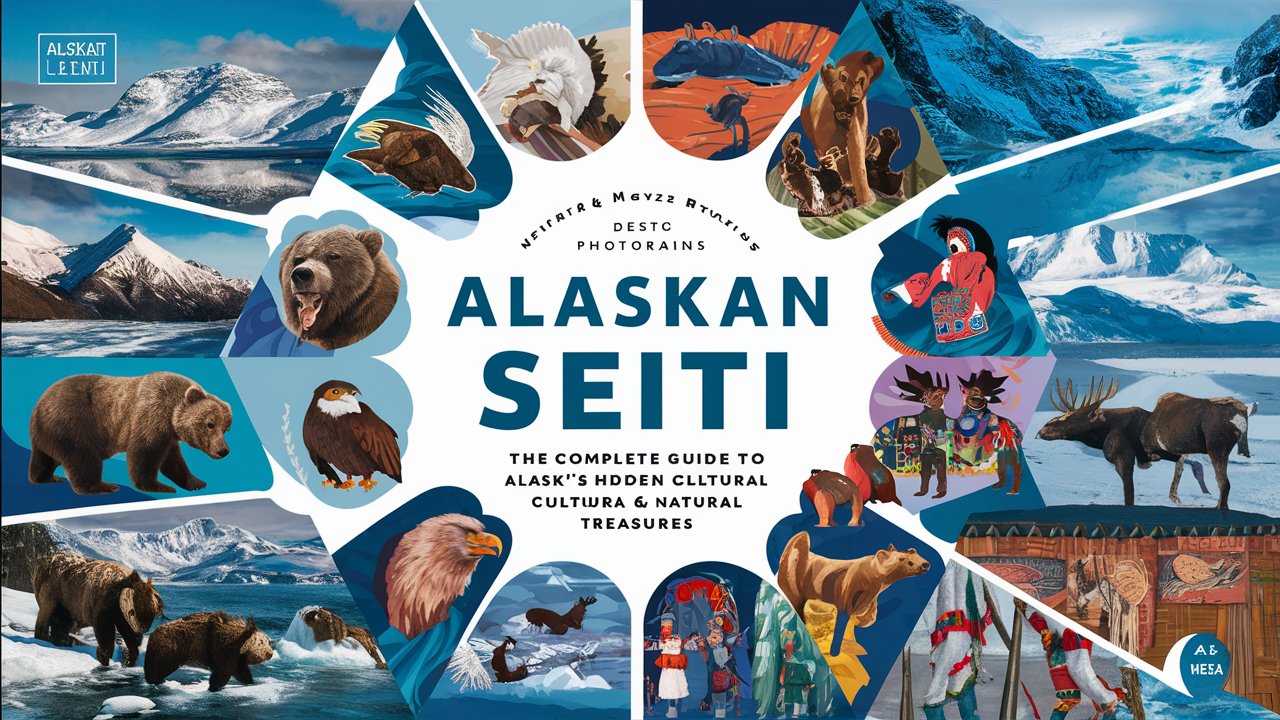
Wildlife and Ecological Connections in Alaskan Seiti
Alaska’s wildlife plays a significant role in shaping the beliefs behind Seiti. Each animal carries symbolic meaning and spiritual influence.
-
Bears represent protection and strength.
-
Wolves embody unity, instinct, and family bonds.
-
Eagles are seen as messengers between the physical and spiritual worlds.
-
Whales symbolize wisdom and the deep cycles of life.
-
Caribou highlight endurance and migration, mirroring life’s ongoing journeys.
Respecting wildlife remains a central principle of Alaskan Seiti, reinforcing the belief that animals and humans share a sacred coexistence.
Modern Interpretations and Eco-Tourism Around Alaskan Seiti
With growing global interest in sustainable travel, Alaskan Seiti has become a focal point for eco-tourism and cultural education. Many visitors seek authentic experiences that honor the environment while learning about indigenous practices.
Eco-tours inspired by Alaskan Seiti often include:
-
Guided glacier explorations
-
Indigenous-led storytelling events
-
Northern lights observation sessions
-
Wildlife tracking excursions
-
Nature retreats based on mindfulness and spiritual grounding
These programs promote cultural respect, environmental stewardship, and meaningful transformation.
Why Alaskan Seiti Is Gaining Worldwide Recognition
In an age where people crave deeper meaning, connection, and relief from fast-paced living, Alaskan Seiti offers a powerful antidote. Its combination of ancestral wisdom, natural immersion, and spiritual grounding makes it appealing for:
-
Wellness travelers
-
Cultural researchers
-
Environmental advocates
-
Photographers and explorers
-
Anyone seeking profound personal renewal
As conversations around mental health, sustainability, and cultural preservation grow, Alaskan Seiti stands at the crossroads of tradition and modernity, providing insights that resonate globally.
Conclusion
Alaskan Seiti represents much more than a cultural concept—it’s a living philosophy rooted in Alaska’s landscapes, indigenous heritage, and spiritual traditions. Its powerful combination of natural wisdom and healing practices makes it a treasure for travelers and researchers seeking profound connection and transformation. By embracing Alaskan Seiti, we gain access to a worldview that values balance, respect, and harmony with the Earth.
FAQs
What does Alaskan Seiti mean?
It refers to a spiritual and cultural tradition emphasizing connection with Alaska’s land, wildlife, and ancestral energies.
Is Alaskan Seiti a modern or ancient practice?
Primarily ancient, though many modern interpretations now integrate mindfulness, eco-tourism, and wellness.
Can visitors experience Alaskan Seiti?
Yes, many tours, retreats, and indigenous-led programs allow visitors to learn and participate respectfully.
Is Alaskan Seiti connected to religion?
It is rooted in indigenous spirituality rather than organized religion, focusing on natural and ancestral connections.