
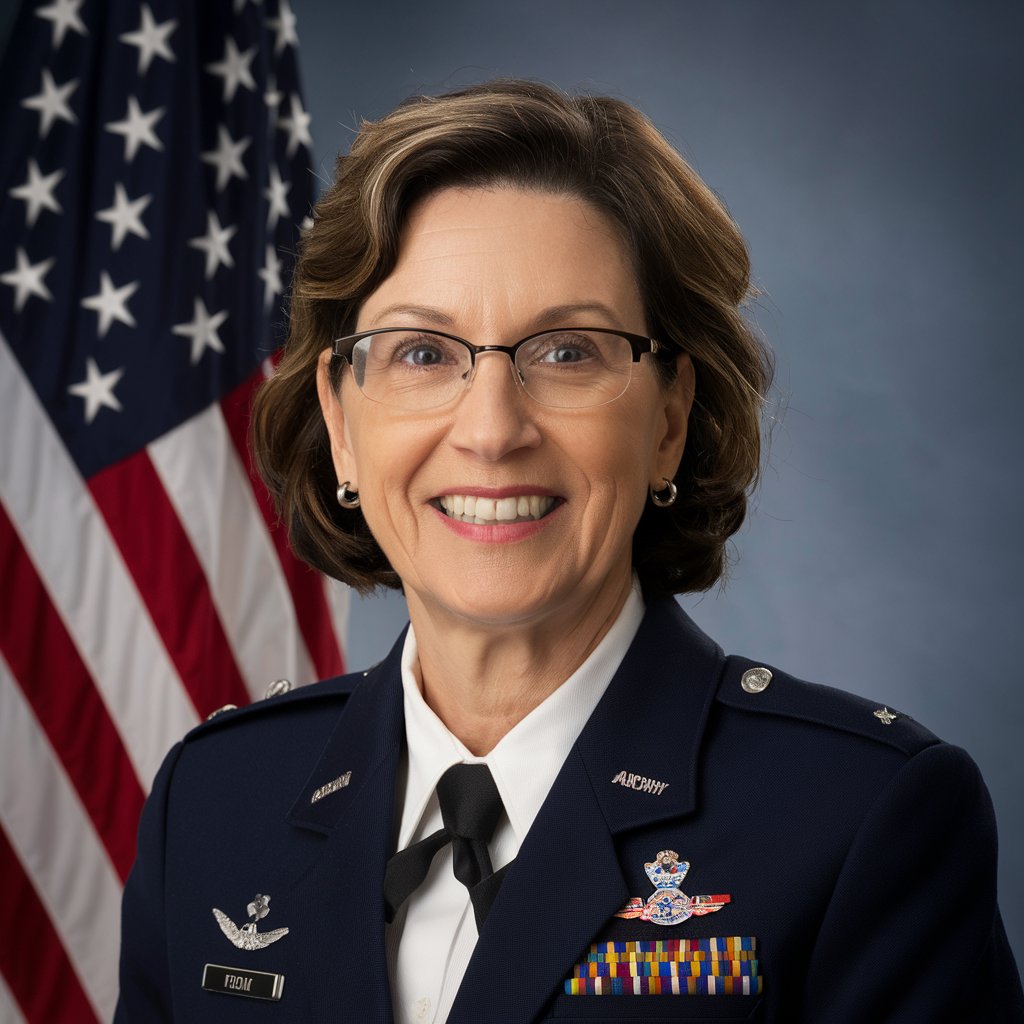
The recent wave of Air Force Academy civilian faculty resignations has sparked widespread discussion about the state of higher education within military institutions. The United States Air Force Academy (USAFA), long regarded as one of the nation’s premier military academies, relies heavily on a blend of military and civilian educators to provide cadets with a balanced academic and leadership foundation. However, reports of increasing civilian faculty departures have raised concerns about morale, administrative policies, and the future of academic excellence at the Academy. Understanding the reasons behind these resignations is essential to addressing systemic issues and ensuring that the institution continues to uphold its mission of developing leaders of character for the Air Force and the nation.
Background: The Role of Civilian Faculty at the Air Force Academy
Civilian faculty members play a vital role at the Air Force Academy, complementing the military faculty by bringing academic expertise, research experience, and diverse perspectives to the classroom. They teach subjects ranging from engineering and political science to humanities and behavioral sciences, ensuring that cadets receive a well-rounded education. Unlike their military counterparts, civilian professors are not bound by military hierarchy, which allows them to foster open academic dialogue and critical thinking. Their presence helps bridge the gap between military discipline and academic freedom, creating an environment that encourages intellectual growth and innovation. The recent increase in civilian faculty resignations, therefore, represents more than just staffing changes it signals potential challenges to the Academy’s educational mission.
Causes Behind the Civilian Faculty Resignations
Several factors have contributed to the rise in civilian faculty resignations at the Air Force Academy. One of the most frequently cited reasons is dissatisfaction with administrative policies and leadership decisions. Many faculty members have expressed concerns about a growing culture of bureaucracy, limited academic autonomy, and a lack of transparency in decision-making processes. Additionally, disparities in pay and benefits between civilian and military faculty have created tension, with some civilian educators feeling undervalued despite their academic credentials and contributions.
Another significant factor is workload and burnout. Civilian professors often face heavy teaching loads, administrative responsibilities, and research expectations without the same institutional support available at civilian universities. The unique environment of a military academy where academic instruction must align with strict military schedules and protocols can also create additional stress. Some faculty members have cited a decline in morale and a sense that their voices are not being heard in institutional governance. These issues, combined with broader challenges in higher education, have led many to seek opportunities elsewhere.
Impact on the Air Force Academy and Its Cadets
The departure of experienced civilian faculty has far-reaching implications for the Air Force Academy. Academically, it can lead to disruptions in course offerings, reduced mentorship opportunities, and a loss of institutional knowledge. Civilian professors often serve as mentors who help cadets navigate complex academic and ethical questions, providing perspectives that differ from those of military instructors. Their absence can diminish the diversity of thought and weaken the Academy’s ability to foster critical thinking and innovation.
From an institutional standpoint, high turnover rates can damage the Academy’s reputation and make it more difficult to attract top-tier educators in the future. Replacing experienced faculty members is not only time-consuming but also costly, as new hires require training and acclimation to the Academy’s unique environment. Moreover, the perception of instability within the faculty can affect morale among remaining staff and cadets alike, potentially undermining confidence in the Academy’s leadership and mission.
Administrative Response and Institutional Reforms
In response to the growing number of resignations, Air Force Academy leadership has acknowledged the need to address faculty concerns. Efforts have been made to review compensation structures, improve communication channels, and strengthen faculty representation in decision-making processes. Some initiatives aim to enhance professional development opportunities and create a more inclusive academic culture that values both military and civilian contributions equally.
However, critics argue that these measures have been slow to materialize and insufficient to address deeper systemic issues. Many believe that meaningful reform requires a cultural shift one that recognizes the importance of academic freedom, transparency, and mutual respect between military and civilian personnel. Without such changes, the Academy risks further erosion of trust and continued faculty attrition.
Broader Implications for Military Education
The situation at the Air Force Academy reflects broader challenges faced by military educational institutions across the United States. Balancing military discipline with academic independence has always been a delicate task. As the demands of modern warfare and technology evolve, so too must the educational frameworks that prepare future officers. Civilian faculty bring essential expertise in emerging fields such as cybersecurity, artificial intelligence, and international relations areas critical to national defense. Their departure could hinder the Academy’s ability to stay at the forefront of innovation and strategic thinking.
Furthermore, the resignations highlight the need for military academies to adapt to changing expectations in academia. Younger generations of educators value collaboration, flexibility, and inclusivity qualities that may clash with rigid institutional structures. Addressing these cultural differences is key to retaining talent and maintaining academic excellence within military education.
Conclusion
The wave of Air Force Academy civilian faculty resignations serves as a wake-up call for institutional introspection and reform. Civilian educators are indispensable to the Academy’s mission, providing the intellectual diversity and academic rigor necessary to develop well-rounded officers. Addressing the root causes of dissatisfaction ranging from administrative policies to cultural tensions is essential to restoring stability and trust. The future of the Air Force Academy depends on its ability to balance military tradition with academic freedom, ensuring that both faculty and cadets can thrive in an environment built on respect, collaboration, and shared purpose.
FAQs
1. Why are civilian faculty members resigning from the Air Force Academy?
Many civilian professors have cited issues such as administrative bureaucracy, lack of academic autonomy, pay disparities, and declining morale as reasons for their resignations.
2. How do civilian faculty differ from military faculty at the Academy?
Civilian faculty focus primarily on academic instruction and research, while military faculty integrate leadership training and operational experience into the curriculum. Together, they create a balanced educational environment.
3. What impact do these resignations have on cadets?
The loss of experienced civilian educators can reduce academic diversity, mentorship opportunities, and the overall quality of education available to cadets.
4. Has the Air Force Academy taken steps to address the issue?
Yes, the Academy has initiated reviews of compensation, communication, and faculty involvement in decision-making, though critics argue that more substantial reforms are needed.
5. What does this mean for the future of military education?
The resignations underscore the need for military academies to modernize their structures, promote academic freedom, and create environments that attract and retain top civilian talent.