
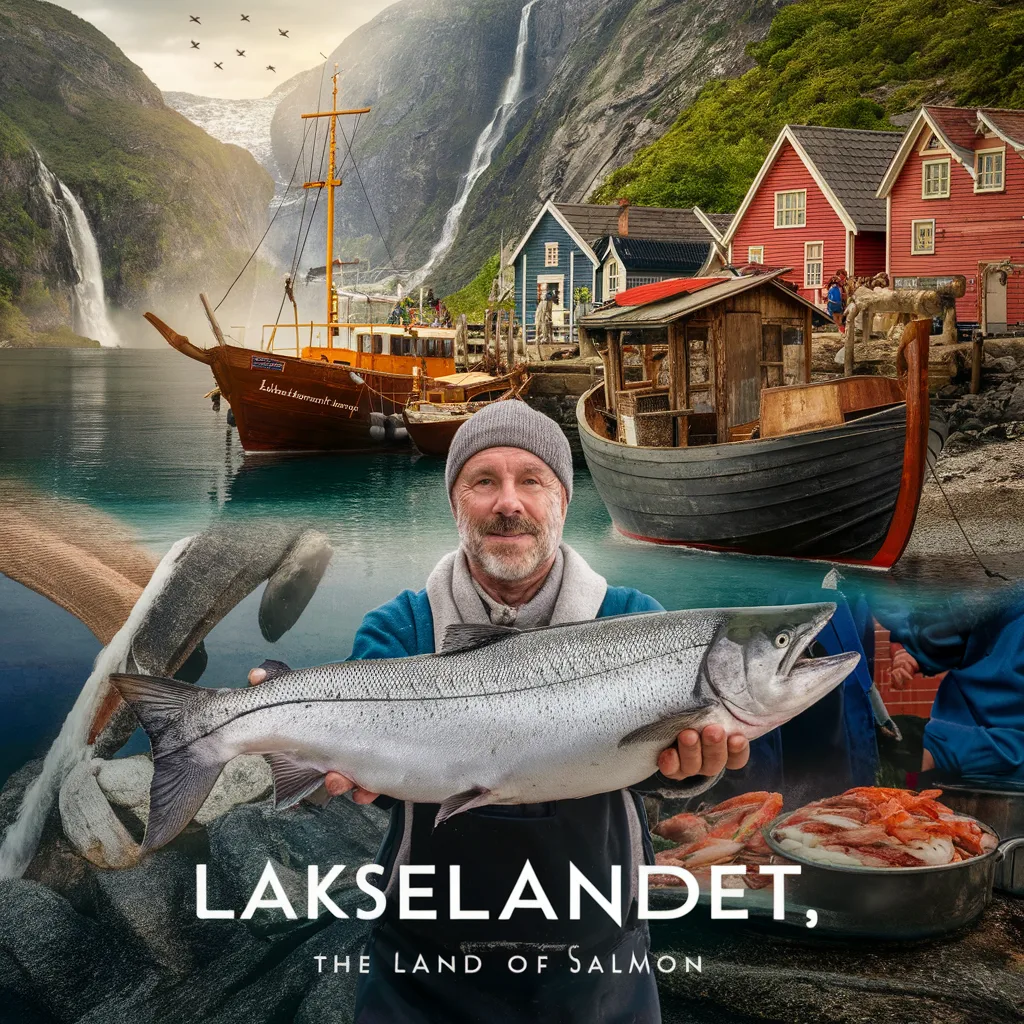
Lakselandet, often referred to as “The Land of Salmon,” is a term that captures the essence of Norway’s deep connection to salmon fishing, aquaculture, and natural beauty. Known for its pristine rivers, fjords, and coastal landscapes, Lakselandet represents both a geographical and cultural identity rooted in Norway’s fishing heritage. The name itself has become synonymous with sustainability, outdoor adventure, and culinary excellence. This article explores the meaning of Lakselandet, its importance to Norway’s economy and culture, and why it continues to attract travelers, anglers, and food enthusiasts from around the world.
Understanding the Meaning of Lakselandet
The word “Lakselandet” comes from the Norwegian words “laks,” meaning salmon, and “landet,” meaning land. Together, they describe a region or concept that celebrates the abundance of salmon and the lifestyle surrounding it. Norway’s rivers and coastal waters are among the richest salmon habitats in the world, making the country a global leader in both wild salmon fishing and aquaculture. Lakselandet is not just a physical place it is a symbol of Norway’s relationship with nature, sustainability, and tradition.
The Natural Beauty of Lakselandet
Lakselandet is often associated with the breathtaking landscapes of northern and western Norway, where crystal-clear rivers flow through lush valleys and dramatic fjords. These regions are home to some of the best salmon fishing spots in the world, including the Alta River, Gaula River, and Orkla River. The combination of unspoiled nature and thriving wildlife makes Lakselandet a paradise for outdoor enthusiasts. Visitors can enjoy fishing, hiking, kayaking, and exploring small coastal villages that preserve Norway’s maritime heritage.
The natural environment of Lakselandet also plays a crucial role in maintaining ecological balance. Norway’s commitment to environmental protection ensures that salmon populations are managed responsibly, preserving the delicate ecosystems that support both wild and farmed fish. This harmony between nature and human activity is what makes Lakselandet truly unique.
Lakselandet and Norway’s Salmon Industry
Norway is one of the world’s largest producers of Atlantic salmon, and the concept of Lakselandet reflects the country’s leadership in sustainable aquaculture. The salmon industry contributes significantly to Norway’s economy, providing jobs, export revenue, and innovation in food technology. Norwegian salmon is exported to over 100 countries, known for its high quality, freshness, and traceability.
Lakselandet represents the intersection of tradition and modernity. While wild salmon fishing remains a cherished pastime, aquaculture has become a cornerstone of Norway’s global reputation. The industry’s focus on sustainability, animal welfare, and environmental responsibility ensures that future generations can continue to enjoy the benefits of this natural resource.
The Cultural Importance of Salmon in Lakselandet
Salmon holds a special place in Norwegian culture, symbolizing prosperity, endurance, and connection to nature. In Lakselandet, salmon is more than just a source of food it is part of the national identity. Traditional dishes such as gravlaks (cured salmon), smoked salmon, and baked salmon are staples of Norwegian cuisine, often served during celebrations and family gatherings.
Fishing has also shaped the social fabric of Lakselandet. Generations of Norwegians have passed down fishing techniques, stories, and traditions that reflect a deep respect for the sea and rivers. Festivals celebrating salmon fishing are common in many coastal towns, where locals and visitors come together to honor this vital part of Norwegian heritage.
Tourism and Adventure in Lakselandet
Lakselandet has become a popular destination for travelers seeking authentic experiences in nature. Tourists can participate in guided fishing tours, visit salmon farms, or explore museums dedicated to Norway’s fishing history. The region’s combination of scenic beauty and cultural richness makes it ideal for eco-tourism and adventure travel.
Many visitors are drawn to the opportunity to catch wild Atlantic salmon in some of the world’s most famous rivers. Fishing lodges and resorts in Lakselandet offer luxurious accommodations alongside traditional Norwegian hospitality. Beyond fishing, tourists can enjoy hiking trails, fjord cruises, and local culinary experiences that highlight the best of Norwegian seafood.
Sustainability and the Future of Lakselandet
Sustainability is at the heart of Lakselandet’s identity. Norway’s approach to salmon farming and fishing emphasizes environmental stewardship, innovation, and long-term resource management. The government and industry work together to ensure that aquaculture practices minimize pollution, protect wild fish populations, and maintain water quality.
Research and technology play a key role in shaping the future of Lakselandet. Advances in fish health, feed efficiency, and digital monitoring systems are helping to make salmon farming more sustainable than ever before. As global demand for seafood continues to grow, Lakselandet stands as a model for responsible production and environmental care.
The Culinary Experience of Lakselandet
No visit to Lakselandet would be complete without tasting its world-famous salmon dishes. Norwegian chefs have elevated salmon to an art form, combining traditional recipes with modern culinary techniques. From smoked salmon served on rye bread to grilled fillets paired with local vegetables, the cuisine of Lakselandet reflects both simplicity and sophistication.
Restaurants across Norway take pride in serving locally sourced salmon, often accompanied by stories of where and how it was caught. This connection between food and origin enhances the dining experience, allowing visitors to appreciate the craftsmanship and care that go into every dish.
Conclusion
Lakselandet is more than just a place it is a celebration of Norway’s natural beauty, cultural heritage, and commitment to sustainability. As the global demand for high-quality seafood continues to rise, Lakselandet stands as a shining example of how tradition and innovation can coexist in harmony. Whether through fishing, tourism, or cuisine, the spirit of Lakselandet continues to inspire people around the world to value nature, respect the environment, and embrace the simple joys of life by the water.
Frequently Asked Questions
1. What does Lakselandet mean?
Lakselandet translates to “The Land of Salmon” in Norwegian, symbolizing Norway’s deep connection to salmon fishing, aquaculture, and natural beauty.
2. Where is Lakselandet located?
Lakselandet is not a specific location but a term used to describe regions in Norway known for salmon fishing and aquaculture, particularly in the northern and western parts of the country.
3. Why is salmon important in Norway?
Salmon is a vital part of Norway’s economy, culture, and cuisine. It represents sustainability, tradition, and the country’s close relationship with nature.
4. Is Lakselandet a tourist destination?
Yes, Lakselandet attracts tourists interested in fishing, nature, and Norwegian culture. Visitors can enjoy fishing tours, fjord cruises, and local seafood experiences.
5. How does Norway ensure sustainable salmon farming?
Norway enforces strict environmental regulations, invests in research, and uses advanced technology to ensure that salmon farming is sustainable and environmentally friendly.
6. What are some popular salmon dishes in Lakselandet?
Popular dishes include gravlaks (cured salmon), smoked salmon, grilled salmon fillets, and salmon soup, all prepared using traditional Norwegian methods.
7. Why is Lakselandet significant to Norwegian identity?
Lakselandet embodies Norway’s respect for nature, its fishing heritage, and its dedication to sustainability, making it a symbol of national pride and cultural continuity.